

The Book
Liquid Gold Black Water
Britain’s Water Privatisation Scandal
How I Got Dropped in the Shit
By Tony Brophy
A personal story of enterprise and betrayal.
A documented history of water and power.
A challenge to the future of England’s most essential public service.
WHAT IS THE BOOK ABOUT?
London’s modern water and sewerage infrastructure grew from one of the great achievements of Victorian public health.
Generations of investment created the reservoirs, pipes, sewers and treatment works upon which modern life depends.
In 1989 the regional water authorities of England and Wales were privatised.
LIQUID GOLD BLACK WATER asks what happened next.
The story runs from London’s night-soil men, cholera and the Great Stink through Bazalgette’s sewers, Thames Water, privatisation, corporate debt, sewage pollution and the present argument over ownership and reform.
At its centre is Tony Brophy’s own experience.
FROM PARTNER TO PREY
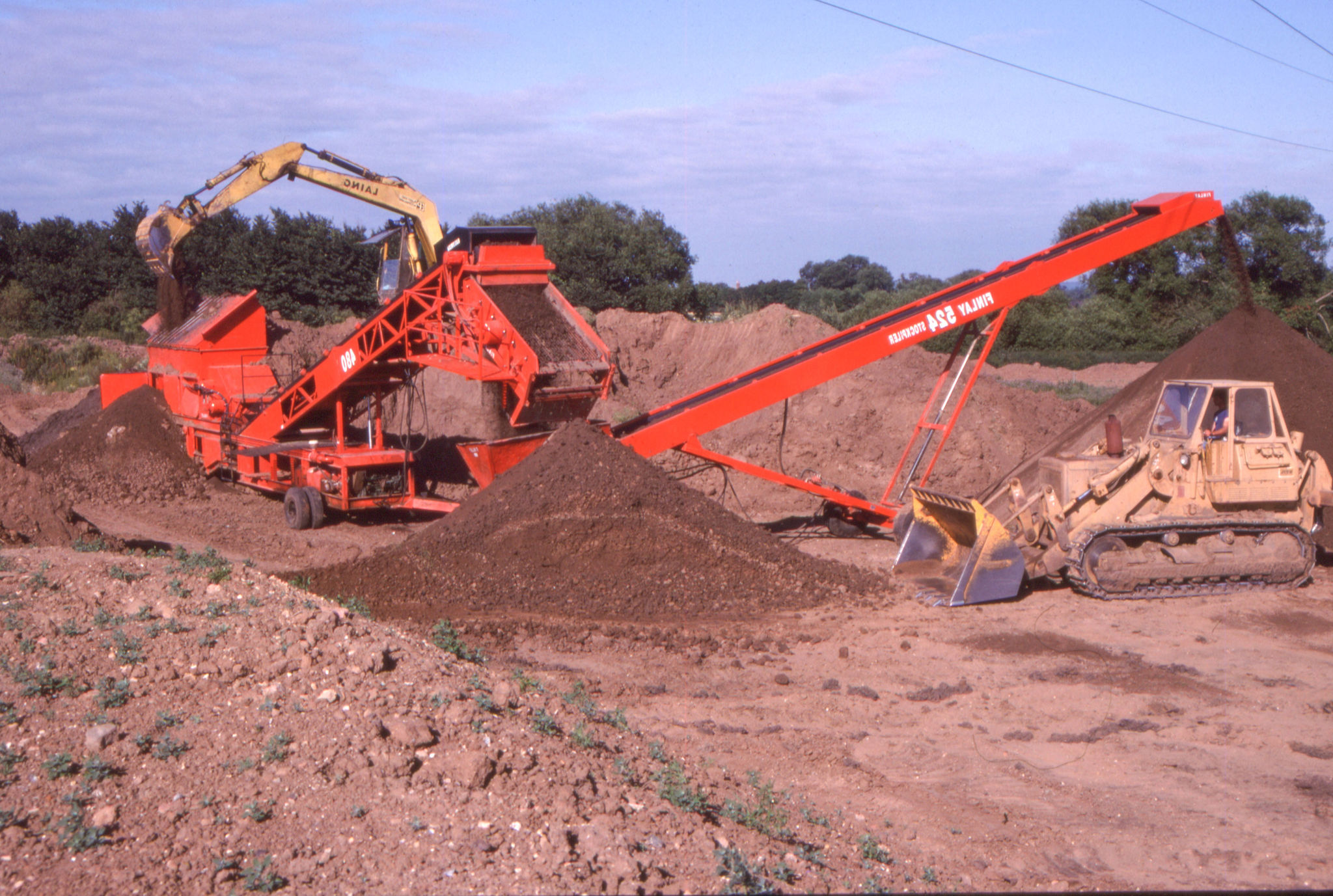
In 1986 Brophy’s family company created Thamesgro with the publicly owned Thames Water Authority.
The venture pioneered the beneficial reuse of treated sewage sludge in manufactured soils for major land-restoration projects.
It was resource recovery long before phrases such as circular economy and natural capital became commonplace.
Thames Water later acquired 50 per cent of Brophy Plc and subsequently took complete control.
What appeared to offer enormous opportunity ultimately became, in Brophy’s account, a conflict between entrepreneurial independence and corporate control.
WHAT HAPPENS WHEN A SMALLER ENTREPRENEURIAL BUSINESS CREATES VALUE INSIDE THE ORBIT OF A MONOPOLY?
THE PERSONAL STORY BECOMES A NATIONAL STORY
Tony Brophy’s relationship with Thames Water crossed one of the most important changes in modern British economic history.
Privatisation transferred the regional water authorities of England and Wales into private ownership.
The companies inherited monopoly networks serving captive regional customers.
The following decades brought substantial investment and improvements in some areas.
They also brought rising debt across parts of the sector, major investor returns, increasing infrastructure pressures, sewage pollution and declining public confidence.
The book connects Tony Brophy’s personal experience with that much larger story.
THE SIXTEEN CHAPTERS
1. THE NIGHT-SOIL MEN
London before modern sewers.
2. THE GREAT STINK BECOMES BIG BUSINESS
Cholera, the Thames and Victorian sanitation.
3. THE FIRST SHIT DEAL
Turning treated sewage sludge from liability into resource.
4. THAMESGRO
The environmental partnership with Thames Water.
5. STOCKLEY PARK
Using recovered material to restore damaged land.
6. THATCHER SELLS THE PIPES
The 1989 privatisation.
7. THE WIDER OPPORTUNITY
Brophy’s national expansion.
8. THAMES WATER BUYS BROPHY
The deal that changed everything.
9. FROM PARTNER TO PREY
When partnership became control.
10. THE BLACK SPOT
Contracts, networks and competition.
11. SIR ROY WATTS
Leadership and Thames Water’s corporate transformation.
12. MACQUARIE
The Australian infrastructure investor that controlled Thames Water between 2006 and 2017 — and the era of debt and financial engineering.
13. SWIMMING AND SURFING IN SHIT
Sewage pollution and the public revolt.
14. WE OWN IT
The argument for accountable public control.
15. DIETER HELM
A new economic and environmental model for water.
16. THE WAY FORWARD
The case for a new water industry.
HISTORY. MEMOIR. INVESTIGATION.
DOCUMENTED HISTORY
How London developed its water and sewerage infrastructure and how the industry was privatised.
PERSONAL TESTIMONY
Tony Brophy’s recollections of Brophy Plc, Thamesgro and Thames Water.
PUBLIC-POLICY ARGUMENT
What those events reveal about monopoly power, finance, public health and environmental stewardship.
The book distinguishes between documentary fact, personal recollection, disputed events, inference and opinion.
Detailed endnotes allow readers to examine the evidence themselves.
EXPLORE THE SOURCES
WHY READ IT NOW?
England faces fundamental decisions; –
Who pays for infrastructure renewal?
What happens to unsustainable company debt?
Should customers rescue failed financing structures?
Can regulation make the present model work?
What role should public ownership or public control play?
How should water be managed as drought, population growth and extreme rainfall intensify?
These are no longer specialist questions.
They concern every household, business, river and community.
SIR TIM SMIT KBE
Co-founder, Eden Project
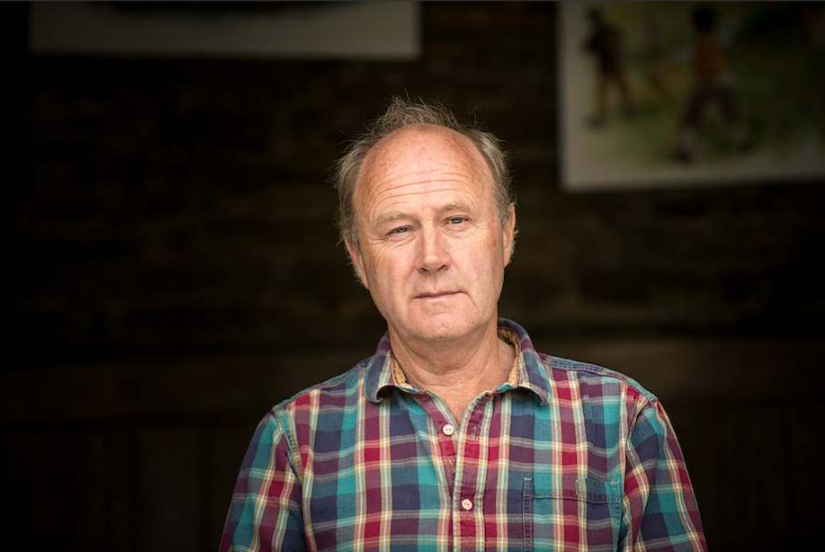
“The laissez faire attitude to the policing and stewardship of our water is, in my view treasonous. It is not a misdemeanour or a business crime it is a knowing assault on the future. There are many who should hang their heads in shame at the certainty that their descendants will feel that an indelible stain has been visited upon them. This is a timely and very readable work of righteous anger that should grace the bedside table of all citizens who care.”